Restoring damaged, weakened, or missing teeth with natural-looking, long-lasting solutions that protect your oral health and bring back your confident smile.
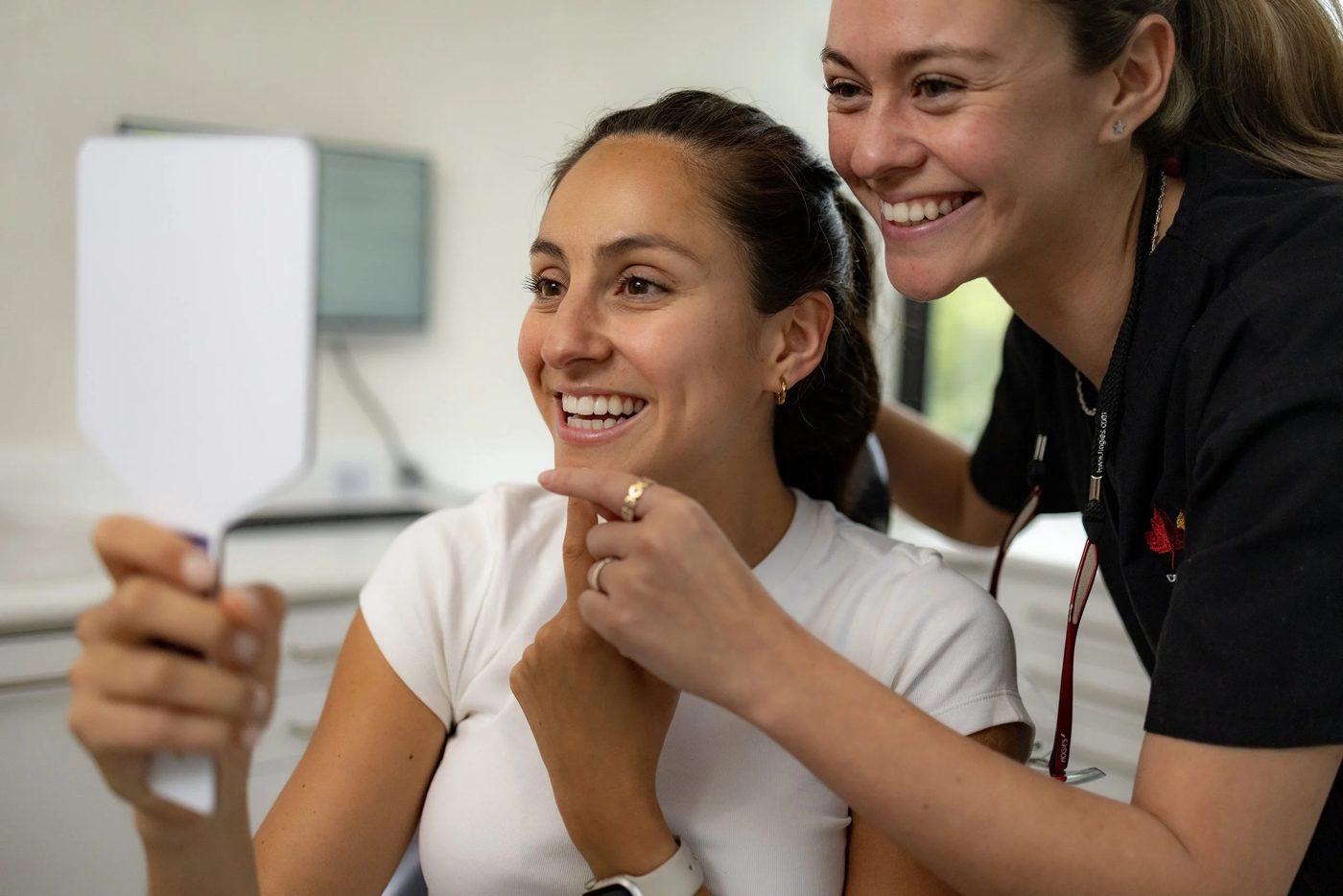
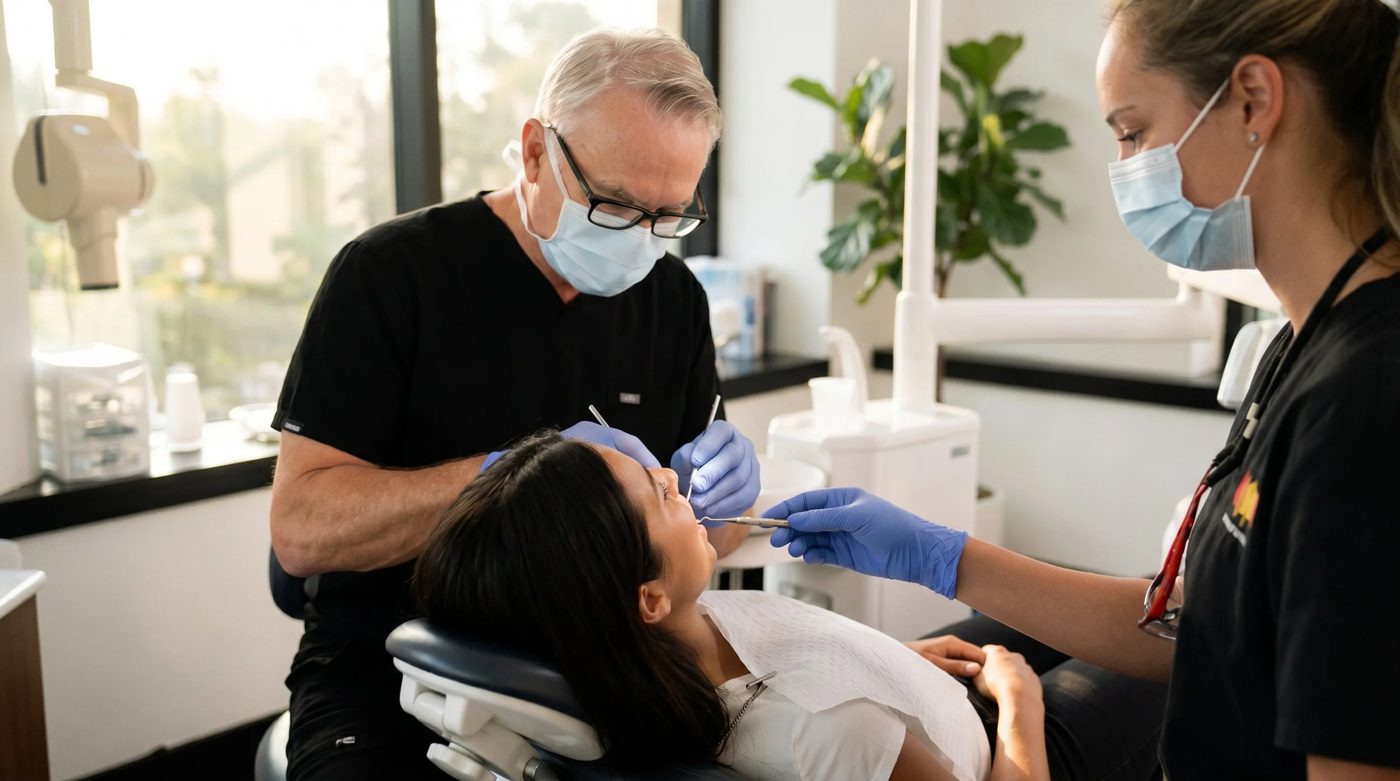
After 35 years of restoring smiles across the Eastern Suburbs, Dr Quill's approach remains straightforward: create restorations that look natural, function properly, and are built on a foundation of good oral health.
We won't rush you into treatment. If a damaged tooth can be saved with a simpler filling, we'll do that first. If you're missing teeth, we'll discuss all your options — bridges, implants, or partial dentures — and help you decide what makes the most sense for your situation and budget.
When we place crowns or bridges, we focus on getting the fit, function, and aesthetics right. That means:
The goal is to restore your tooth (or teeth) so effectively that you forget it was ever damaged or missing.
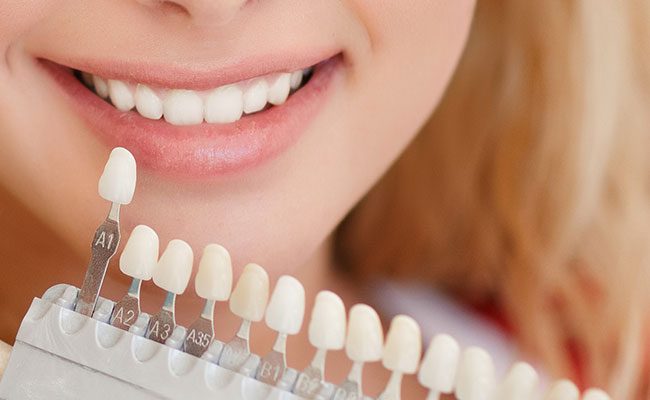
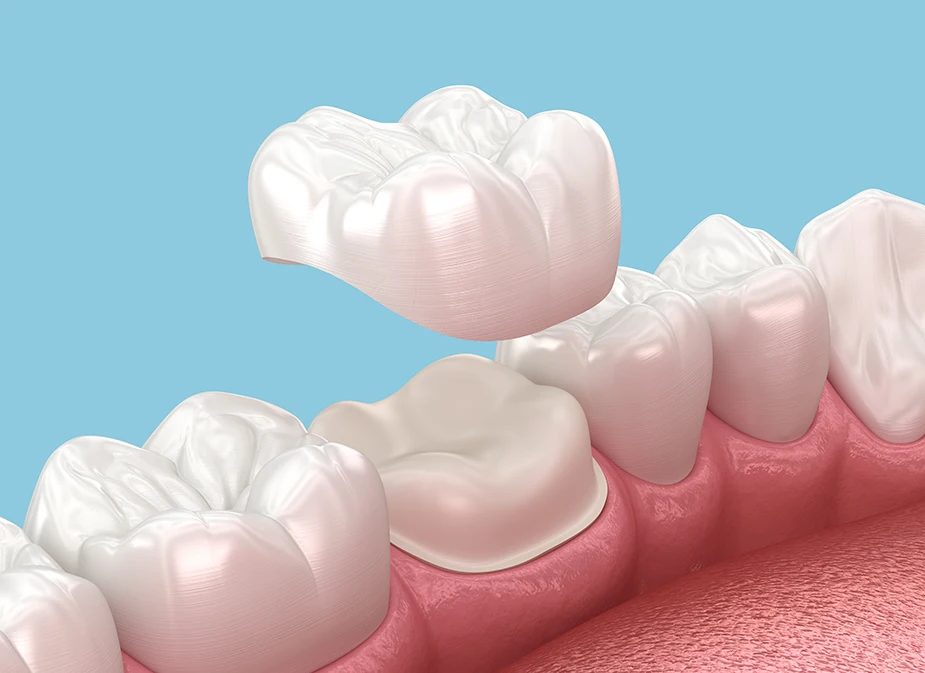
A crown is a tooth-shaped cap that covers and protects a damaged or weakened tooth. Think of it as a protective helmet that restores the tooth's strength, function, and appearance.
Modern crowns are made from high-quality porcelain or ceramic materials that look and feel like natural teeth. We carefully match the colour and shape to blend seamlessly with your smile — no one will know you have a crown unless you tell them.
The process typically involves:
1. Initial appointment — we prepare the tooth, take detailed impressions or digital scans, and fit you with a temporary crown to protect the tooth while your permanent crown is being made.
2. Lab work — your custom crown is crafted by skilled dental technicians to match your natural teeth perfectly (usually takes 2–3 weeks).
3. Final appointment — we remove the temporary crown and permanently cement your new crown in place. We'll make sure it fits comfortably and looks natural before you leave.
With proper care, dental crowns typically last 10–15 years or longer.
For many crowns, we can skip the temporary crown and the wait altogether. With our in-practice CEREC technology, the tooth is prepared as it would be for any crown, then a digital scanner captures a detailed 3D image instead of a traditional putty impression. The crown is designed on screen to fit your bite and neighbouring teeth, milled from a solid ceramic block right here in the practice, and bonded the same day.
For you, that usually means walking out with your finished crown in a single visit — no second appointment, and no waiting a week or two while a laboratory makes it. There are still cases where a laboratory-made crown is the better choice, such as demanding front-tooth cosmetic work that benefits from custom layering, so we decide tooth by tooth and talk you through the options.
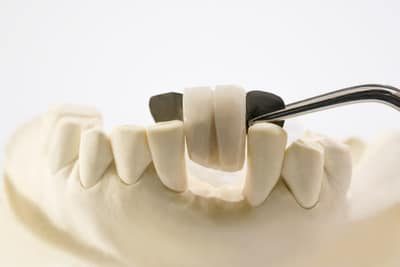
A bridge literally "bridges" the gap left by one or more missing teeth. It consists of artificial teeth (called pontics) supported by crowns on the teeth on either side of the gap.
Bridges are a fixed solution — they're cemented in place, so they feel stable and natural when you eat and speak. Unlike dentures, you don't remove them.
Benefits of dental bridges:
The process for getting a bridge is similar to getting a crown, usually requiring two appointments over 2–3 weeks.
Dental crowns and bridges are restorative treatments designed to repair or replace teeth that can't be fixed with simpler solutions like fillings.
You might need a crown if:
You might need a bridge if:
At Dentist in the Park, we take the time to explain your options clearly. If there's a more conservative treatment that will work, we'll tell you. We only recommend crowns or bridges when they're genuinely the best solution for your situation.
This is a common question. Here's the simple answer:
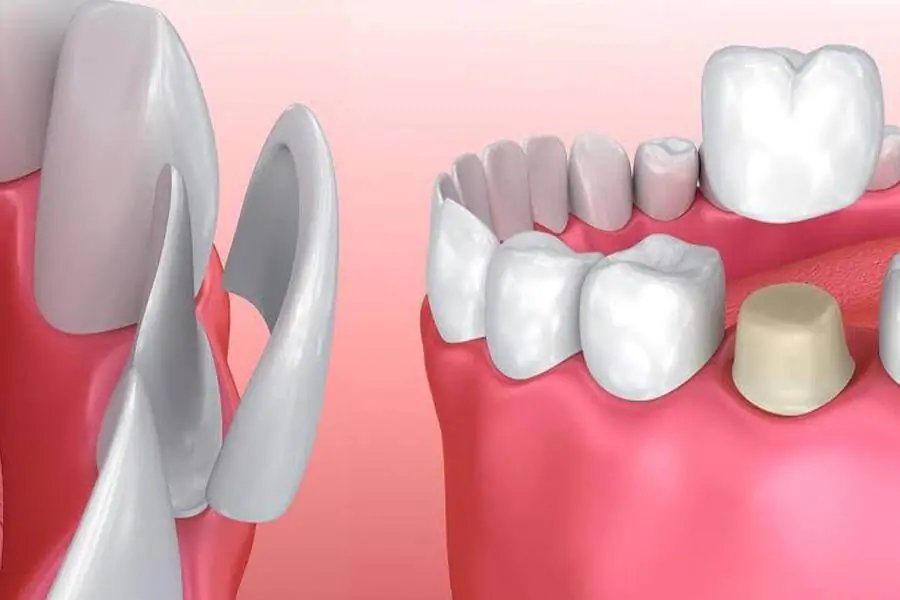
Veneers cover only the front surface of a tooth and are used for cosmetic improvements on healthy teeth (staining, minor chips, small gaps).
Crowns cover the entire tooth and are used when teeth are damaged, weakened, or need structural support. Crowns are about protection and restoration, not just appearance.
If your tooth is cracked, has a large filling, or has had a root canal, you need a crown — not a veneer.
We never want cost to stand between you and the care you need. We accept all health funds, with HICAPS claiming on the day so you only pay the balance — and flexible payment plans are available, just ask our team. CBHS members can also ask about in-practice claiming for routine exams, cleans and X-rays.
Book an assessment and we'll talk you through whether a crown or bridge is the right way to restore your smile — with clear options and honest pricing.
Practical, honest guidance from Dr Brendan Quill on the topics that matter for your care.
A same-day crown is a dental crown designed and made in the practice during a single appointment using CEREC…
Read more →Dentures are removable replacements for missing teeth and the surrounding tissue. A full denture replaces all the…
Read more →
The main ways to replace missing teeth are dental implants, which are artificial roots placed in the jaw to…
Read more →A dental implant is an artificial tooth root, usually shaped like a small metal screw, placed into the jawbone…
Read more →