
Building healthy smiles and positive dental experiences from the very first visit — gentle care for babies, kids, and teens across the Eastern Suburbs.
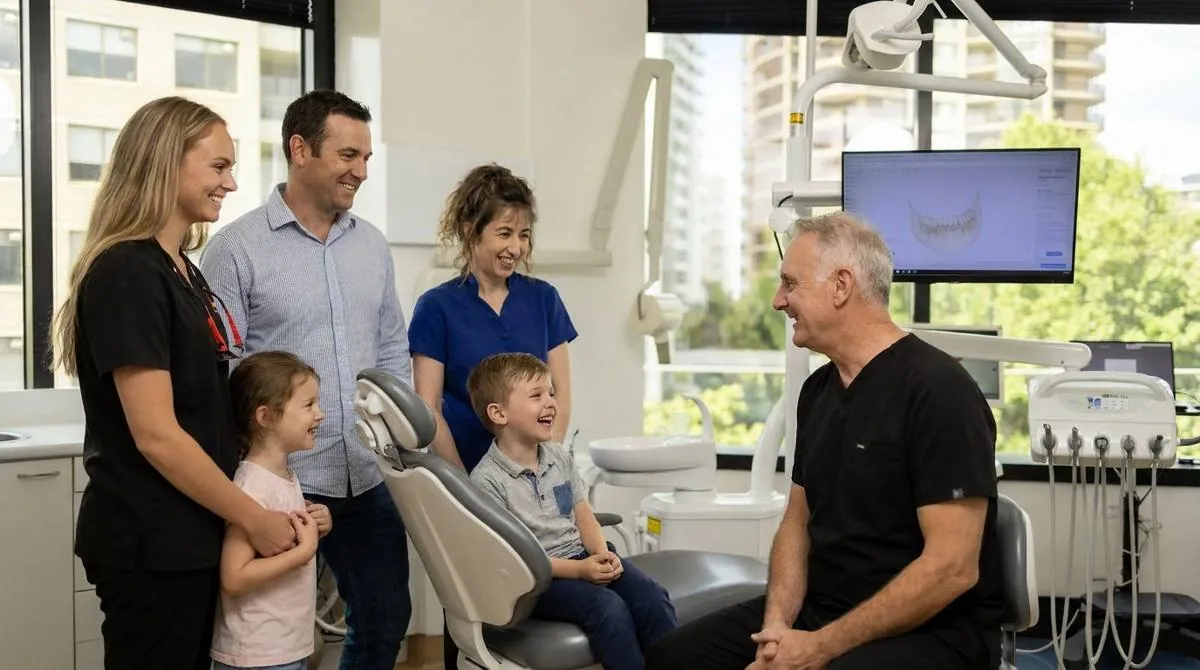

Your child's early experiences with the dentist shape their attitude toward oral health for life. Make those experiences positive, and they'll maintain good dental habits into adulthood. Make them frightening or uncomfortable, and they'll avoid the dentist for years.
After 35 years of caring for Eastern Suburbs families, Dr Quill has treated multiple generations — parents who first came to him as children now bring their own kids. That kind of trust comes from creating genuinely positive experiences, never rushing anxious children, and making dental care feel safe and normal rather than scary.
We believe children's dentistry should be:
Whether it's your child's first visit or they're dealing with their first cavity, we're here to make dental care a normal, positive part of growing up.
We recommend the first dental visit around age 2–3, or when most baby teeth have come through.
Early visits aren't about drilling and filling — they're about getting comfortable in the dental chair, learning the "tools" are friendly (not scary), building a positive relationship with the dentist, allowing us to check development and growth, catching any early issues, and teaching parents about caring for baby teeth.
First visits are fun and pressure-free. We'll show your child around and let them sit in the "special chair," count teeth together, demonstrate the "tooth tickler" (gentle cleaning tool), give them a ride up and down in the chair, let them rinse and spit (kids love this part!), and praise their bravery with a prize or sticker.
The goal isn't a thorough cleaning — it's creating a positive first impression. If your child isn't ready for a full examination, that's fine. We'll do what we can and try again next time. No pressure, no force, no tears.
For very young children (ages 2–4): a brief, gentle examination, counting teeth and checking development, possibly a quick clean if they're comfortable, fluoride application if needed and tolerated, lots of praise and encouragement, and guidance for parents on home care.
For school-age children (ages 5–12): a comprehensive examination, professional cleaning, fluoride treatment, X-rays when needed (typically every 1–2 years), fissure sealants for permanent molars, discussion of any concerns or treatment needs, and reinforcement of proper brushing and flossing.
For teenagers (ages 13+): a full adult-level examination and cleaning, orthodontic assessment if needed, wisdom teeth monitoring, discussions about diet and sports mouthguards, addressing any cosmetic concerns, and continued education on oral hygiene.
Appointments are typically every 6 months for healthy children, though some need more frequent visits if they're cavity-prone or have orthodontic appliances.
Children pick up on parental anxiety. If you're nervous about the dentist, your child will sense it. Here's how we work together to create positive experiences.
Our approach:
How parents can help:
Prevention is always better than treatment. Here's how we help your child avoid cavities.
Fissure sealants. The deep grooves in permanent molars are cavity magnets — toothbrush bristles can't reach the narrow fissures where bacteria hide. Sealants are thin, protective coatings painted onto these grooves, creating a smooth surface that's easy to clean. Applied shortly after permanent molars come in (around ages 6 and 12), they reduce cavity risk by around 80% in sealed teeth, are quick and painless to apply, and last several years. We strongly recommend sealants for all children's permanent molars — it's one of the most effective preventative treatments available.
Fluoride treatments. Fluoride strengthens enamel and helps prevent decay, especially in children whose permanent teeth are still maturing. Applied every 6 months for most children (more frequently for cavity-prone kids), it strengthens developing enamel, reverses early decay (white spots), and provides extra protection for high-risk kids.
Regular check-ups. Catching cavities when they're tiny means simpler treatment. Small cavities in baby teeth can often be monitored rather than filled immediately if we catch them early enough.
Home care education. We teach both kids and parents proper brushing technique, flossing (yes, even for kids!), and dietary habits that protect teeth. Children who understand why they're brushing are more likely to do it properly.
Despite best efforts, cavities happen. Here's how we handle them.
Do baby teeth even need treatment? Yes! Baby teeth are placeholders for permanent teeth. If lost too early due to decay, permanent teeth may erupt in the wrong position. Plus, cavities in baby teeth cause pain, infection risk, and difficulty eating.
For small cavities: tooth-coloured composite fillings, a quick procedure often completed in one visit, gentle numbing (we use topical anaesthetic first so they don't feel the injection), gentle technique throughout, and lots of praise for cooperation.
For larger cavities or very young children: sometimes crowns are needed for badly decayed baby molars, and very anxious children or extensive treatment may require sedation or referral to a paediatric specialist. We assess each situation individually and discuss all options.
Our philosophy: we want to save teeth when possible, but we also want children to have positive experiences. Sometimes delaying non-urgent treatment until a child is ready is better than forcing traumatic treatment that creates lifelong dental anxiety.
Baby teeth (primary teeth). The first tooth usually appears around 6 months (wide variation is normal), a complete set of 20 baby teeth by age 2–3, with baby teeth starting to be lost around age 6 and continuing through age 12. Baby teeth matter — they help with speech development, proper nutrition, and guide permanent teeth into correct positions.
Permanent teeth. The first permanent molars ("6-year molars") erupt around age 6 behind the baby teeth (prime candidates for sealants!), front baby teeth are lost around age 6–8, all permanent teeth except wisdom teeth are usually through by age 12–13, and wisdom teeth arrive in the late teens to early twenties (if they erupt at all).
When to be concerned: no teeth by 15 months, teeth severely crowded or overlapping, significant bite issues (overbite, underbite, crossbite), permanent teeth erupting in the wrong positions, or baby teeth not loosening on schedule. We monitor development at every visit and refer to orthodontists when appropriate.
We monitor your child's dental development and bite relationship from an early age. The ideal assessment age is 7–8 years, when we can identify severe crowding or spacing issues, bite problems that might benefit from early intervention, jaw growth concerns, and missing or extra teeth.
Early treatment isn't always necessary, but sometimes interceptive orthodontics (phase 1 treatment) can create space for permanent teeth, address severe bite issues while the jaw is still growing, prevent more complex treatment later, and shorten overall orthodontic treatment time.
When needed, we refer to trusted orthodontic specialists. Most comprehensive orthodontic treatment (braces or Invisalign) happens later, typically ages 11–14 once most permanent teeth have erupted. Dr Quill also provides orthodontic treatment for teens and adults with Invisalign, Angel Aligners, and the Damon 3 system if you prefer keeping treatment in-house.
Kids are active, and dental emergencies happen. Here's what to do.
Knocked-out permanent tooth: find the tooth and handle it by the crown (not the root), rinse gently if dirty (don't scrub), try to place it back in the socket if possible, and if not, store it in milk or saliva. Call us immediately — time is critical for saving the tooth.
Knocked-out baby tooth: do not try to replant baby teeth. Control bleeding with gauze and call us for assessment — baby teeth aren't replanted, but we need to check for damage.
Broken or chipped tooth: rinse the mouth with warm water, save any fragments if possible, apply a cold compress if there's swelling, and call us for a same-day appointment.
Severe toothache: rinse the mouth with warm water, floss to remove any trapped food, give age-appropriate pain relief, and never place aspirin on the gum (it burns tissue). Call us — toothaches indicate problems needing treatment.
Bitten tongue or lip: clean the area gently and apply a cold compress. If bleeding doesn't stop in 15 minutes, seek emergency care.
Knocked-out filling or crown: call for an appointment, use temporary filling material (available at pharmacies) if needed, and avoid chewing on that side.
We prioritise dental emergencies — call us right away, and we'll see your child the same day whenever possible.
Thumb sucking and pacifiers. Most children naturally stop thumb sucking by age 4. If the habit continues past age 5–6 when permanent teeth start erupting, it can affect bite development. We don't shame or lecture children about sucking habits — we discuss timing and potential effects with parents, suggest gentle strategies for breaking the habit if needed, and monitor bite development.
Grinding teeth (bruxism). Many children grind their teeth, especially during sleep. It's usually not a concern — most outgrow it. We monitor closely for excessive wear, jaw pain or headaches, or sleep disruption. Treatment (mouthguards, etc.) is rarely needed for young children.
Sports mouthguards. If your child plays contact sports, a custom mouthguard provides far better protection than boil-and-bite versions from sporting goods stores — better fit and comfort (so they're more likely to be worn), superior protection against broken teeth and jaw injuries, and no interference with breathing or speaking. We can make custom mouthguards for any sport.
Diet and tooth decay. Sugary snacks and drinks are major cavity culprits, but frequency matters more than quantity. It helps to limit juice, soft drink and sports drinks, make water the primary drink, save sweets for mealtimes rather than constant snacking, choose cheese, nuts and vegetables as snacks, and rinse with water after acidic or sugary foods.
Some children are naturally more anxious. We've developed strategies over decades of working with nervous kids.
For first visits: a parent present in the treatment room for comfort, very short appointments focused on building trust, no treatment pressure (if all we accomplish is sitting in the chair, that's progress), and lots of showing and explaining before touching.
For building confidence: a "tell-show-do" approach (explain, demonstrate, then do), letting the child control stop signals (raise hand for breaks), starting with the easiest, least invasive procedures first, consistent praise and positive reinforcement, and small achievable goals each visit.
For very anxious children needing treatment: multiple short appointments rather than one long ordeal, sedation options (happy gas) for anxiety management, and, in extreme cases, referral to a paediatric specialist.
We will never force treatment on a terrified child, use restraint, dismiss a child's fears as "just being difficult," or rush procedures that need patience. Building trust takes time, but it's worth it for creating lifelong positive dental attitudes.
Teenagers present unique challenges — they're old enough for adult dental procedures but still need parental guidance on home care and diet.
Orthodontics — many teens undergo braces or Invisalign treatment, which requires excellent oral hygiene (braces make cleaning harder). We provide extra support and education during orthodontic treatment.
Wisdom teeth — begin erupting in the late teens. We monitor with X-rays and refer for extraction if necessary. Not everyone needs wisdom teeth removed, but crowding or impaction may require it.
Dietary challenges — energy drinks, soft drink and frequent snacking increase cavity risk, and eating disorders can severely damage enamel. We discuss nutrition and oral health without judgement.
Compliance — some teens slack on brushing and flossing. We educate them directly (not just through parents) about consequences, appealing to their desire for an attractive smile and fresh breath.
Sports and cosmetic concerns — custom mouthguards for contact sports, addressing injuries, and discussing whitening, orthodontics and cosmetic improvements when appropriate, helping them understand realistic options and timing. We respect teens as young adults while still providing the guidance and education they need.
Brushing by age:
Pro tips from our hygienists: electric toothbrushes often clean better for kids, brush in front of a mirror so they can see what they're doing, use disclosing tablets occasionally to show missed plaque, create routines (same time and place daily), and make it social by brushing together as a family.
Flossing: start when teeth touch (often around age 4–5). Parents need to floss for kids until age 8–10, and floss picks make it easier for small hands. Focus on establishing the habit, even if technique isn't perfect initially.
We never want cost to stand between you and the care you need. We accept all health funds, with HICAPS claiming on the day so you only pay the balance — and flexible payment plans are available, just ask our team. CBHS members can also ask about in-practice claiming for routine exams, cleans and X-rays.
Book your child's dental appointment today — let's start building healthy habits together.
Practical, honest guidance from Dr Brendan Quill on the topics that matter for your care.
A child's first experiences at the dentist tend to shape how they feel about it for life. Get those early visits…
Read more →
One of the great privileges of general dentistry is caring for families over many years. I have seen children come…
Read more →
Dental anxiety is usually eased with a combination of open communication, a calm and unhurried approach, and…
Read more →
Choosing a dentist is a personal decision. It is not just about finding the closest clinic, the nicest website, or…
Read more →