
Dentures in Bondi Junction — Full, Partial and Implant-Retained Options
Full, partial and implant-retained dentures in Bondi Junction, made to fit comfortably and look natural, so you can eat, speak and smile with confidence again.

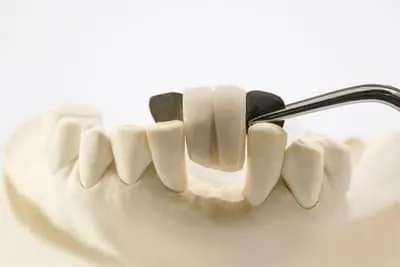
What are dentures and who are they for?
Dentures are removable replacements for missing teeth and the surrounding tissue. A full denture replaces all the teeth on your upper or lower jaw, while a partial denture fills the gaps where some teeth are missing and clips around the teeth you still have. An implant-retained denture clips onto a small number of implants for extra grip, while still lifting out for cleaning. Dentures may suit you if you have several or all teeth missing, want a non-surgical option, or are looking for a more affordable way to restore your smile. The right choice depends on your gums, your remaining teeth and what matters most to you, so it is best assessed individually.
The main types of dentures
There is no single kind of denture, and the differences matter. According to Healthdirect, the main options are:
- Full dentures. These replace all of the teeth on one or both jaws and rest on your gums. They are usually held in place by suction and the natural shape of your mouth, sometimes with a little denture adhesive.
- Partial dentures. These replace some missing teeth and are held in place by metal or tooth-coloured clasps around your remaining natural teeth. They also help stop the other teeth from drifting into the gap.
- Implant-retained dentures. These fit onto a small number of dental implants placed in the jaw. They clip on firmly for more stability when eating and speaking, and you can still remove them for cleaning.
Dentures are typically made from acrylic, sometimes with a lightweight metal framework for added strength in partial dentures. The right material and design depend on where the gaps are, how your bite comes together, and the condition of the gums and bone underneath.
How dentures compare with implants and bridges
Dentures are one of several ways to replace missing teeth, and they are not the only one. It helps to see them alongside the alternatives rather than in isolation.
- Dentures are removable, non-surgical and generally the most affordable option, and they can replace many teeth at once. The trade-off is that removable dentures can feel less stable than fixed options, particularly lower full dentures.
- Dental bridges are fixed in place and fill a smaller gap by anchoring to the teeth on either side. They do not come out, but they rely on the neighbouring teeth.
- Dental implants are titanium posts placed in the jaw that support a fixed crown, bridge or denture. Healthdirect notes that implants are designed to act as artificial tooth roots and can provide a stable foundation for replacement teeth. They involve surgery and a longer process, and tend to cost more.
This is exactly why implant-retained dentures have become so popular. They sit in the middle, combining the broad coverage and removability of a denture with much of the stability of implants. If you would like a fuller comparison of the fixed options, our dental implants and All-on-4 page goes into more detail, and our crowns and bridges page covers bridges.
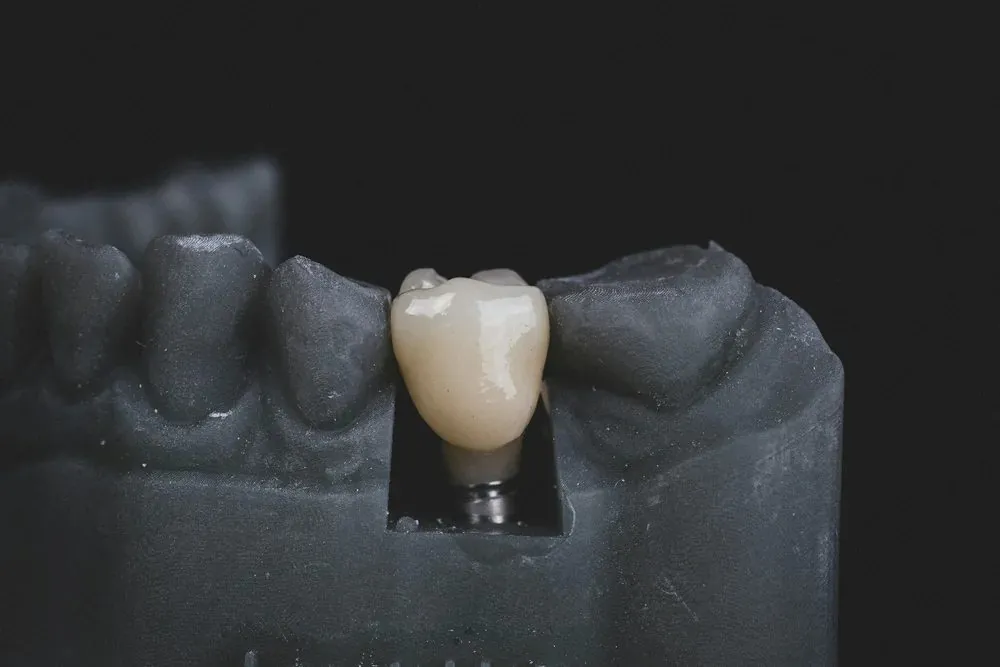
Book an assessment and we'll talk through full, partial and implant-retained options.
What to expect when getting dentures
Getting dentures is a process rather than a single appointment, and knowing the steps tends to make it feel more manageable. In broad terms it usually involves:
- An assessment of your gums, any remaining teeth and your general oral health
- Impressions or digital scans of your mouth so the denture can be made to fit
- Try-in stages where the shape, fit, bite and appearance are checked and adjusted
- Fitting the finished denture, then reviewing and fine-tuning the fit over the following weeks
If teeth need to be removed first, there is usually a healing period to consider, and in some cases a temporary or immediate denture can be worn while the gums settle. None of this needs to be rushed, and we would always rather take the time to get the fit and the bite right than hurry to a finish.
Adjusting to new dentures
We're always honest with patients that new dentures take some getting used to, and that is completely normal. Healthdirect explains that wearing dentures can feel strange at first and that most people take a few months to get used to how they feel, suggesting you start slowly and eat softer foods to begin with.
In practice, the common early experiences include:
- A feeling of fullness, or being very aware of the denture, for the first while
- More saliva than usual at first, which settles down
- Needing a little practice with speech, especially certain sounds
- Starting with soft, easy foods and gradually returning to a more normal diet
- The occasional sore spot, which we can ease with a simple adjustment
Most of these settle with time and a few minor adjustments. If something rubs or does not feel right, please do not put up with it. A quick review to adjust the fit is routine, and it is far better than persevering with a sore spot.
Looking after your dentures and your mouth
Dentures need daily care, and so do the gums underneath them. Healthdirect advises cleaning your dentures regularly, looking after your mouth even when teeth are missing by brushing your gums and tongue, and continuing to visit your dentist for regular checks. The everyday basics we suggest are:
- Clean your dentures daily over a soft surface or a basin of water, in case you drop them
- Use a denture brush and a non-abrasive cleaner rather than ordinary toothpaste, which can be too harsh
- Take them out as advised, often overnight, to give your gums a rest, and store them as your dentist recommends
- Brush your gums, tongue and any remaining natural teeth each day
- Keep up regular dental visits so the fit, your gums and your remaining teeth can be checked
Routine checks and preventive care are covered on our family dentist page, and they are just as important once you wear dentures. Gums and bone gradually change shape over the years after teeth are lost, which means even a well-made denture can loosen over time. This is normal, and it is usually solved with a reline or a remake rather than being a sign that anything has gone wrong. Regular reviews are the simplest way to stay ahead of it.
A simple adjustment or reline can often make a big difference. Book a review.
Our approach to dentures
After more than 35 years caring for patients in Bondi Junction and the Eastern Suburbs, Dr Quill has fitted a great many dentures, and has learned that the details make all the difference between a denture that is tolerated and one that is genuinely comfortable.
He doesn't believe in pushing anyone towards the most expensive option, nor in dismissing dentures as old-fashioned. For some patients, implants are the right answer. For others, a well-made partial or full denture, or an implant-retained denture, suits their mouth and their life better. His role is to lay out the choices honestly, explain the trade-offs, and help you decide without any pressure.
If you are missing teeth, or your current dentures no longer fit as they should, we'd encourage you to come in for an assessment so we can talk it through properly.
Dentures near me
If you've searched for dentures near me, a local practice makes a real difference — getting a denture right usually involves several fitting and adjustment visits, and regular reviews afterwards as your gums change.
Dentist In The Park is in the heart of Bondi Junction, an easy visit for patients from Bondi, Waverley, Woollahra, Bellevue Hill, Randwick and across the Eastern Suburbs.
Dentures FAQs
Are modern dentures different from older ones?
What is the difference between full and partial dentures?
How long does it take to get used to dentures?
Can dentures be made more stable?
How do I clean my dentures?
Will my dentures ever need adjusting or replacing?
Are dentures or implants better for me?
Which areas does Dentist In The Park service?

Your dentist for dentures
Dentures at Dentist In The Park are planned and fitted by Dr Brendan Quill, drawing on more than 35 years replacing missing teeth. He takes the time to get the fit, the bite and the appearance right through each try-in stage, explains the trade-offs between full, partial and implant-retained options honestly, and reviews the fit as your gums settle.
Dr Brendan Quill — Principal Dentist
BDS (University of Sydney) · 35+ years in practice
We never want cost to stand between you and the care you need. We accept all health funds, with HICAPS claiming on the day so you only pay the balance — and flexible payment plans are available, just ask our team. CBHS members can also ask about in-practice claiming for routine exams, cleans and X-rays.
Book a relaxed assessment and we'll talk you through full, partial and implant-retained dentures, with clear options and honest pricing.
Helpful articles on this topic
Practical, honest guidance from Dr Brendan Quill on the topics that matter for your care.
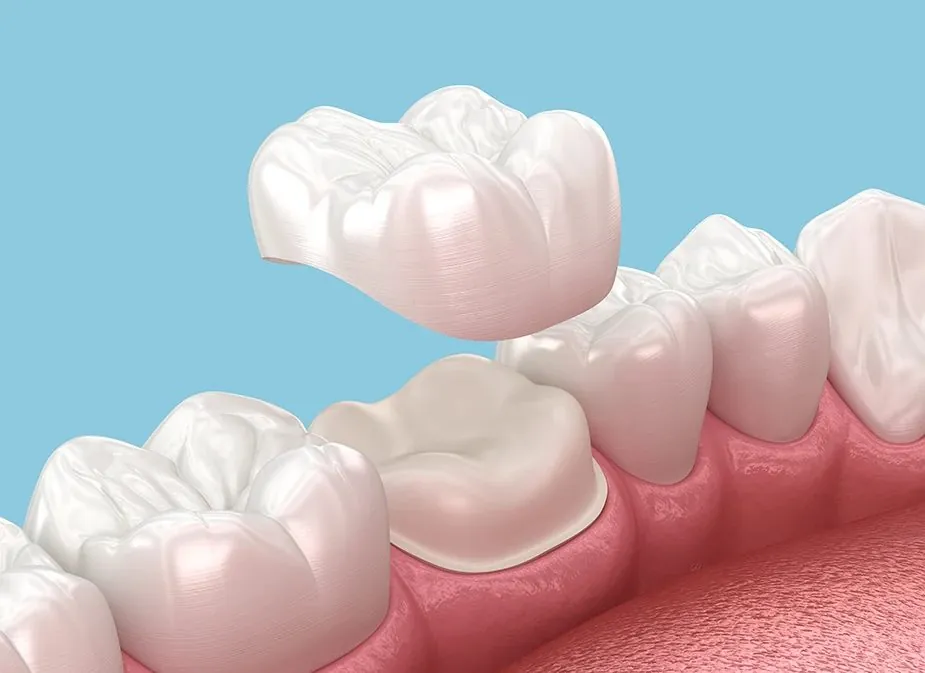
A same-day crown is a dental crown designed and made in the practice during a single appointment using CEREC…
Read more →
What causes fear of the dentist, plus the calming techniques, happy gas and gentle approach that help nervous patients feel comfortable.
Read more →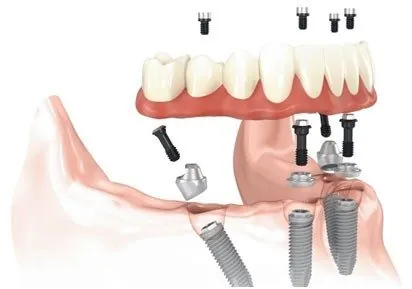
The main ways to replace missing teeth are dental implants, which are artificial roots placed in the jaw to…
Read more →A dental implant is an artificial tooth root, usually shaped like a small metal screw, placed into the jawbone…
Read more →