
Professional Dental Hygienist in Bondi Junction
Expert cleaning, gum health care, and personalised preventative advice to keep your smile healthy for life.
The foundation of good oral health
You brush twice daily. You floss (most of the time). But even with excellent home care, plaque and tartar build up in hard-to-reach areas, especially below the gumline where your toothbrush can't reach. That's where professional dental hygiene comes in.
Our experienced dental hygienists provide thorough cleanings, early detection of gum disease, and personalised education to help you maintain optimal oral health between visits. It's not just about polishing your teeth — it's about preventing problems before they start and catching issues when they're small and easy to treat.
After 35 years of helping Eastern Suburbs families maintain healthy smiles, Dr Quill knows that consistent hygiene care is the best investment you can make in your oral health. It's far easier to prevent decay and gum disease than to treat them later.
What does a dental hygienist do?
Dental hygienists are licensed oral health professionals who specialise in preventative care and education. Think of them as your coaches for maintaining a healthy mouth.
Professional cleaning (scale & polish):
- Remove hardened tartar that brushing can't eliminate
- Clean below the gumline where bacteria hide
- Polish teeth to remove surface stains
- Smooth tooth surfaces to make it harder for plaque to accumulate
Gum health assessment:
- Check for early signs of gum disease (gingivitis)
- Measure gum pocket depths to assess periodontal health
- Identify areas of inflammation or bleeding
- Monitor gum health over time
Oral health education:
- Demonstrate proper brushing and flossing techniques
- Recommend products suited to your specific needs
- Discuss diet and lifestyle factors affecting oral health
- Answer questions about your oral care routine
Preventative treatments:
- Fluoride applications to strengthen enamel
- Desensitising treatments for sensitive teeth
- Fissure sealants for children to prevent decay
- Application of medications for gum health
Early detection:
- Identify early cavities before they become painful
- Spot gum recession or erosion patterns
- Notice grinding or bite issues
- Refer to Dr Quill when treatment is needed
Why regular hygiene appointments matter
Prevent gum disease. Gum disease is the leading cause of tooth loss in adults — and it's largely preventable with regular professional cleaning. Early gum disease (gingivitis) is reversible; advanced gum disease (periodontitis) causes permanent damage. Regular hygiene visits catch problems early.
Stop cavities before they start. Your hygienist can spot the early warning signs of decay — chalky white spots, areas of demineralisation — and help you address them before they become cavities requiring fillings.
Protect your overall health. Gum disease is linked to serious health conditions including heart disease, diabetes complications, and stroke. Maintaining healthy gums protects more than just your mouth.
Keep your smile bright. Regular cleanings remove surface stains from coffee, tea, and wine, keeping your smile looking its best.
Catch problems early. Your hygienist sees things you can't — decay between teeth on X-rays, early gum recession, grinding wear patterns. Early detection means simpler, less invasive treatment.
What to expect at your hygiene appointment
Initial assessment — your hygienist will review your medical history, discuss any concerns you have, and check your gum health by gently measuring pocket depths around each tooth.
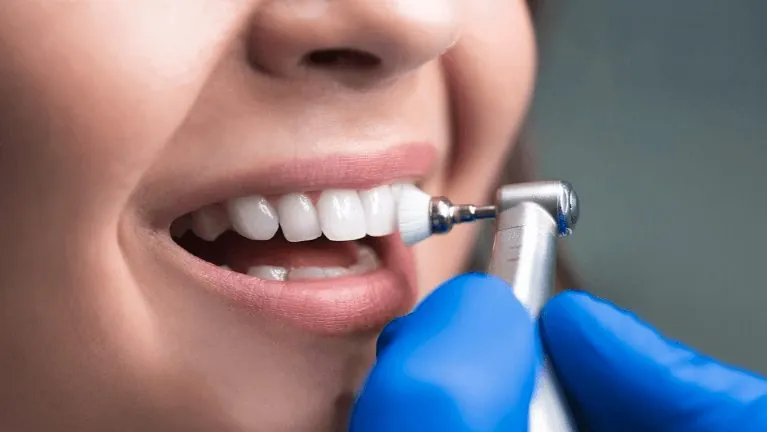
Professional cleaning — using specialised instruments, your hygienist carefully removes tartar buildup from tooth surfaces and below the gumline. This is the most important part of the appointment — removing the bacteria-harbouring tartar that brushing can't touch.
Polishing — your teeth are polished with a slightly abrasive paste that removes surface stains and creates a smooth surface that resists plaque accumulation.
Fluoride treatment (if needed) — for patients at higher risk of decay or with sensitivity issues, fluoride application strengthens enamel and provides extra protection.
Personalised advice — your hygienist will discuss your home care routine, demonstrate better techniques if needed, and recommend products that suit your specific needs — electric toothbrush, special floss, mouth rinse, etc.
Review with Dr Quill — after your cleaning, Dr Quill examines your teeth to check for any issues requiring treatment. This comprehensive approach ensures nothing is missed.
Most hygiene appointments take 30–45 minutes, though first visits or patients with heavy buildup may need longer.
How often should I see the hygienist?
The standard recommendation is every six months, which works well for most people with good oral health and home care habits.
However, some patients benefit from more frequent visits (every 3–4 months):
- History of gum disease or active periodontal issues
- Heavy tartar buildup despite good brushing
- Smoking or vaping (increases gum disease risk)
- Diabetes (affects gum health)
- Orthodontic braces (harder to clean effectively)
- Pregnancy (hormones affect gum health)
- Immunocompromised patients
- History of frequent cavities
Some patients with excellent oral health might only need annual visits, though this is less common. Your hygienist will recommend a schedule based on your individual needs — we're not trying to book unnecessary appointments, but rather finding the frequency that keeps your mouth healthy with the least intervention.
Been a while since your last clean?
Book a hygiene visit — gentle, thorough and unhurried.
Gum disease: prevention and early intervention
Gum disease progresses through stages, and early intervention makes all the difference.
Healthy gums — pink, firm gums that don't bleed, no bad breath, and gum tissue that fits snugly around teeth. Regular hygiene appointments maintain this state.
Gingivitis (early gum disease) — gums become red, swollen, or bleed easily when brushing, caused by plaque buildup along the gumline. Completely reversible with professional cleaning and improved home care, with no permanent damage at this stage.
Periodontitis (advanced gum disease) — gums pull away from teeth, forming deep pockets, and bone loss begins, potentially leading to loose teeth. This requires more intensive treatment (deep cleaning, possible referral to a specialist). Damage is permanent, but progression can be stopped.
The good news? Most gum disease is caught at the gingivitis stage during routine hygiene appointments, when it's still easily reversible. This is why consistent preventative care matters so much.
Deep cleaning (scale and root planing)
If gum disease has progressed beyond early gingivitis, you may need a deep cleaning — also called scale and root planing.
What's different from regular cleaning? Regular cleaning addresses plaque and tartar above the gumline. Deep cleaning goes below the gumline into gum pockets, removing bacteria from tooth roots and smoothing root surfaces to help gums reattach.
When is deep cleaning needed?
- Gum pocket depths greater than 4mm
- Tartar buildup below the gumline
- Bleeding and inflammation that doesn't resolve with regular cleaning
- Bone loss visible on X-rays
Deep cleaning is typically done in sections (one or two quadrants per visit) with local anaesthetic for comfort. After treatment, with improved home care and regular maintenance cleanings, most patients stabilise and avoid tooth loss.
Caring for sensitive teeth
Many patients avoid or delay hygiene appointments because of tooth sensitivity. We understand — and we can help.
Causes of sensitivity: receding gums exposing root surfaces, worn enamel from grinding or an acidic diet, recent whitening treatments, and gum disease.
How we help: gentle cleaning techniques, desensitising toothpaste recommendations, fluoride varnish application to reduce sensitivity, identification and treatment of underlying causes, and recommendations for gentler home care products.
Don't skip hygiene appointments due to sensitivity — let us know, and we'll adjust our approach to keep you comfortable while protecting your oral health.
Stain removal and maintenance
Professional cleaning removes many surface stains, keeping your smile bright.
Common staining culprits: coffee and tea, red wine, smoking or vaping, certain medications, and naturally darker tooth colour.
What cleaning can and can't do: cleaning removes surface stains on enamel, tartar buildup that appears discoloured, and some coffee/tea/wine staining. Cleaning doesn't change the intrinsic colour of your teeth, deep stains within enamel, or the colour of crowns or veneers.
For significant colour change, we offer professional whitening treatments — but regular hygiene appointments help maintain any whitening results by preventing new stains from accumulating.
Noticed bleeding gums or sensitivity?
Let us take a look and help you get ahead of it.
Hygiene care for different life stages
Children & teens — establishing good habits early, fissure sealants to prevent decay in molars, education on proper brushing and flossing, motivation and positive reinforcement, and monitoring during orthodontic treatment.
Adults — maintaining gum health as a primary concern, early detection of recession or bone loss, managing lifestyle factors (coffee, wine, stress affecting grinding), and supporting overall health through oral health.
Pregnancy — hormonal changes increase gingivitis risk, so more frequent cleanings are often recommended. We provide safe care during pregnancy and it's important for both maternal and baby health.
Seniors — managing dry mouth issues, caring for implants, bridges or dentures, addressing root surface decay, monitoring for oral cancer, and managing medication effects on oral health.
Your hygienist tailors care to your life stage and individual needs.
Hygiene care for dental work
Special dental work requires specialised cleaning approaches.
Implants — require careful cleaning to prevent peri-implantitis (gum disease around implants), using special techniques and instruments to avoid damaging implant surfaces. This is critical for long-term implant success.
Veneers, crowns, bridges — non-abrasive cleaning to avoid damaging restorations, with extra attention to margins where the restoration meets the tooth, and monitoring for any issues with fit or gum health.
Orthodontics (braces or Invisalign) — more frequent cleanings are often recommended, with special techniques for cleaning around brackets and wires. With Invisalign, cleaning is much easier since aligners are removable.
Dentures — professional cleaning of dentures, assessment of fit and condition, gum tissue health monitoring, and education on proper denture care.
Having dental work doesn't mean you can skip hygiene appointments — if anything, it makes them more important for protecting your investment.
Your home care routine: advice from our hygienists
Professional cleanings are essential, but what you do at home matters even more. Here's what our hygienists recommend.
Brushing:
- Twice daily, minimum 2 minutes each time
- Use a soft-bristled brush (medium or hard damages gums)
- Electric toothbrushes often clean more effectively
- Replace brush heads every 3 months
- Brush gently — scrubbing hard doesn't clean better, it damages enamel and gums
- Don't forget tongue brushing (reduces bacteria and bad breath)
Flossing:
- Once daily, ideally before bed
- Proper technique matters — curve floss around each tooth in a C-shape
- If traditional floss is difficult, try floss picks or water flossers
- Bleeding when you first start flossing is normal; it should stop within a week or two
Additional tools: interdental brushes for larger gaps between teeth, water flossers (particularly helpful for braces, implants, or bridges), and mouthwash (which can help but doesn't replace brushing and flossing).
Diet considerations: limit sugary snacks and drinks (frequency matters more than quantity), use a straw and rinse with water after acidic drinks, enjoy cheese, nuts, and crunchy vegetables which help clean teeth naturally, and drink plenty of water throughout the day.
Your hygienist will personalise recommendations based on your specific mouth — areas you're missing, trouble spots, individual risk factors.
Addressing dental anxiety about cleanings
Many people feel anxious about hygiene appointments, often due to past uncomfortable experiences, fear of judgement about home care, or sensitivity issues.
Our approach: no judgement (we're here to help, not lecture — if you haven't been in years, we're glad you're here now), open communication (let us know what makes you nervous and we'll adjust our approach), gentle techniques to minimise discomfort, regular breaks (raise your hand anytime you need a pause), sensitivity solutions (desensitising gel, gentle scaling, and topical anaesthetic available), and distraction options (headphones, music, or just friendly conversation).
The worst thing you can do is avoid hygiene care because of anxiety. Delaying only leads to more buildup, which means longer, more uncomfortable appointments. Regular short visits are far easier than infrequent marathon sessions.
For more on keeping your gums healthy between visits, read our guide to dental hygiene and gum health in Bondi Junction.
Frequently asked questions
Is dental cleaning painful?
Why do my gums bleed during cleaning?
Can I skip the hygienist and just see the dentist?
Do I really need to floss if I brush well?
How long does a hygiene appointment take?
Can hygiene appointments whiten my teeth?
What if I have a dental implant?
Should I brush before my hygiene appointment?
Why do I need X-rays at hygiene appointments?
Can pregnant women have dental cleanings?
What's the difference between a scale and clean and a deep cleaning?
Worried about cost?
We never want cost to stand between you and the care you need. We accept all health funds, with HICAPS claiming on the day so you only pay the balance — and flexible payment plans are available, just ask our team. CBHS members can also ask about in-practice claiming for routine exams, cleans and X-rays.
Book your hygiene appointment today
Preventative care is the foundation of lifelong oral health. Book your hygiene appointment for thorough, gentle care focused on your individual needs.
Helpful articles on this topic
Practical, honest guidance from Dr Brendan Quill on the topics that matter for your care.
Dental Hygiene and Gum Health in Bondi Junction — Cleans, Gum Disease and Prevention
23 June 2026Brushing and cleaning between your teeth removes most plaque, but not all of it. Over time, the plaque that is…
Read more →
Family Dentist in Bondi Junction — Care for Children, Adults and Grandparents
5 May 2026One of the great privileges of general dentistry is caring for families over many years. I have seen children come…
Read more →
How to Choose a Dentist in Bondi Junction
17 February 2026Choosing a dentist is a personal decision. It is not just about finding the closest clinic, the nicest website, or…
Read more →
Dental Anxiety in Bondi Junction — Gentle, Calm Care for Nervous Patients
3 July 2026Dental anxiety is usually eased with a combination of open communication, a calm and unhurried approach, and…
Read more →