
Orthodontics and Braces in Bondi Junction — Options for Adults and Teens
Orthodontics in Bondi Junction for adults and teens, with over 35 years of orthodontic experience behind every treatment plan. Dr Brendan Quill straightens teeth and improves bites with clear aligners or metal and ceramic braces, choosing the option that suits your case rather than one system for everyone.
Short answer: what does orthodontics involve?
Orthodontics is the area of dentistry that moves teeth into a better position to improve alignment and bite. The two broad options are fixed braces, which are bonded to the teeth, and removable clear aligners such as Invisalign or Angel Aligner. The right option depends on the type and degree of movement needed, your age, your daily routine, and what you want from treatment. It is decided after an examination, not from a photo.
Why straighten teeth at all?
Straightening teeth is often thought of as cosmetic, and an improved smile is a genuine benefit that many people value. But there are functional reasons too.
Crowded or crooked teeth can be harder to clean, which can make plaque build-up, decay and gum problems more likely. The Australian Dental Association notes that straighter teeth can be easier to keep clean, supporting better long-term oral health. A bite that does not meet evenly can also place uneven load on certain teeth over time.
So when patients ask whether straightening is worth it, Dr Quill separates two questions. Is there a health or function reason to consider it, and is the cosmetic improvement something that matters to you? Often the answer to both is yes, but it is worth being clear about your own reasons.
The main orthodontic options
There is no single best appliance. There is the appliance that suits your case. The main categories are below.
Metal and ceramic braces
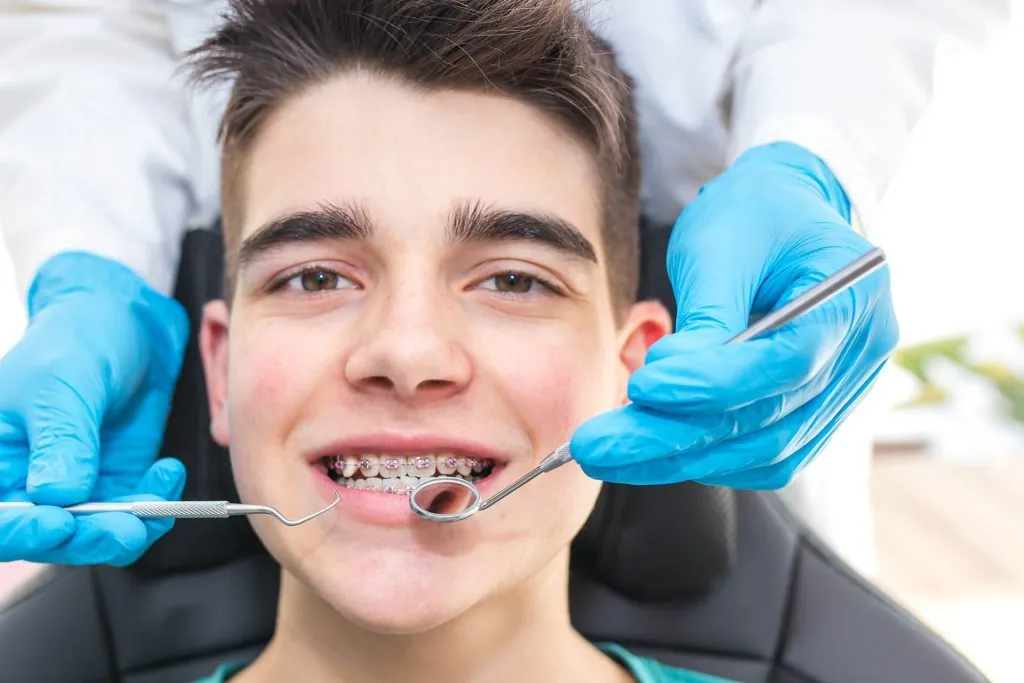
Braces use brackets bonded to the teeth and a wire that is adjusted over time to move the teeth. Brackets come in traditional metal or tooth-coloured ceramic, which blends in with your teeth and is far less noticeable. Modern braces are smaller and more comfortable than many people remember, and they remain very effective, particularly for more complex movements and bite corrections. Because they are fixed, they work continuously without relying on you to wear them.
Clear aligners
Clear aligners are a series of removable, near-invisible trays that gradually move the teeth. They are popular with adults because they are discreet and can be taken out to eat and clean your teeth. Healthdirect notes that clear aligners can treat many cases of crowding and spacing, though they are not suitable for every situation. They also rely on being worn for the recommended hours each day, usually around 20 to 22 hours, so they suit people who are happy to commit to that.
We offer clear aligners at the practice: see our clear aligners page, or read about Invisalign and Angel Aligners individually. Our Angel Aligner vs Invisalign guide compares the two in more detail.
When a specialist orthodontist is involved
Some cases are straightforward and can be managed within general practice. Others, particularly complex bite problems, jaw discrepancies, or treatment in growing children, are better referred to a specialist orthodontist. Part of a good assessment is being honest about which path suits your situation, and Dr Quill is always happy to refer when that is the right thing to do.
Book a consultation and we'll explain your realistic options.
Adult orthodontics
Adult orthodontics is one of the fastest growing parts of treatment, and many of our orthodontic patients are adults straightening their teeth for the first time.
There is no upper age limit for moving teeth, provided the teeth and gums are healthy. The main difference with adults is that the underlying bone has stopped growing, so some bite changes that are simple in a child may need more involved treatment in an adult. Gum health matters too. Teeth can only be moved safely through healthy gum and bone, so any gum disease is treated and stabilised first.
For many adults, clear aligners are an appealing option because they are discreet at work and in social settings. But braces remain a strong choice for more complex cases, and the discreet ceramic versions are less noticeable than traditional metal.
Teen braces and orthodontics for children
For younger patients, timing matters. The Australian Dental Association suggests an orthodontic assessment can be useful around the age of seven, not because treatment usually starts then, but because it lets us monitor how the teeth and jaws are developing and plan the best time to act if needed.
For most teenagers, treatment begins once enough of the adult teeth have come through. Teen braces, in metal or ceramic, and clear aligners can both work well in this age group. With teenagers, the choice often comes down to the complexity of the case and how reliably aligners will be worn.
What an orthodontic assessment involves
A first orthodontic visit is about gathering information and giving you a clear picture of your options. It usually includes:
- A discussion of what you would like to change and why
- An examination of your teeth, bite and gums
- Photographs and, where needed, X-rays or a digital scan
- An explanation of suitable options, with the pros and cons of each
- A realistic outline of treatment time and what is involved
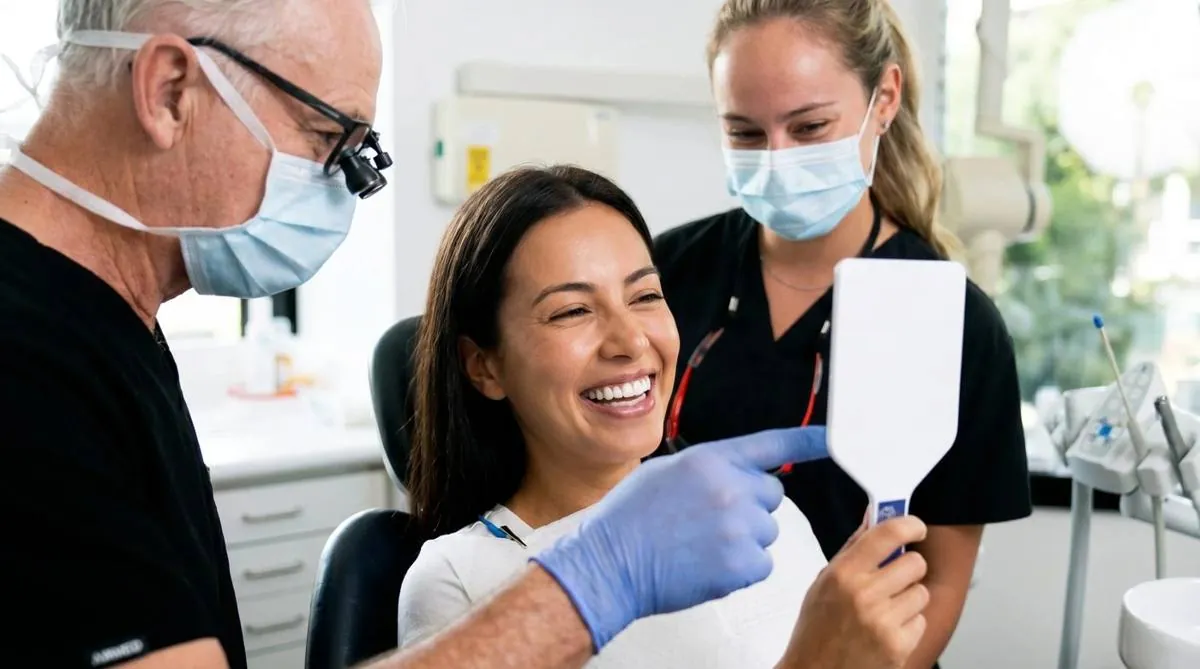
You should leave understanding what is achievable, what each option asks of you day to day, and what the alternatives are. No single appointment can promise a particular outcome, but it should give you the information to make a confident decision.
We'll assess your bite and talk you through both.
Dr Quill's approach to orthodontics
When someone comes in wanting straighter teeth, Dr Quill doesn't start with the appliance. He starts with the goal.
What is bothering you, what would a good result look like, and is there a function or health reason as well as a cosmetic one. Only then does it make sense to talk about whether braces, aligners, or a referral to a specialist is the best route.
He would rather tell someone that a simple option will meet their goal than recommend more treatment than they need. And if a case is genuinely complex, the honest thing is to involve a specialist orthodontist rather than stretch a general approach to fit. Straightening teeth should leave you with a bite that works and a smile that still looks like you.
Why choose Dentist in the Park for orthodontics?
Genuine expertise — Dr Quill's 35+ years of orthodontic experience means he's seen and successfully treated virtually every type of case. He understands the nuances that make the difference between good results and excellent results.
Natural-looking results — we don't believe in overly "perfect" Hollywood smiles that look artificial. Our goal is creating straight, healthy teeth that suit your face and look naturally beautiful.
Comprehensive approach — we consider your entire oral health, not just teeth alignment. If you'll benefit from orthodontics before cosmetic work, we'll explain why. If you need gum treatment first, we'll address it.
Multiple options — having expertise in Invisalign, Angel Aligners and braces means we can genuinely recommend what's best for you, not just what we happen to offer.
Straightforward communication — we explain things clearly, answer questions thoroughly, and never rush you into decisions.
Long-term thinking — orthodontics is about creating results that last. We focus on stability, retention, and ensuring your investment pays off for decades.
Straightening before cosmetic work: the smarter approach
If you're considering veneers or other cosmetic dentistry, talk to us about orthodontics first.
By straightening teeth before adding veneers, we can often:
- Use fewer veneers (or thinner ones)
- Preserve more natural tooth structure
- Create more natural-looking results
- Improve long-term stability
This two-step approach takes longer, but for many patients, it's the smarter investment. We'll assess whether this strategy makes sense for your situation.
Retention: keeping your results for life
Orthodontic treatment doesn't end when braces come off or aligners are finished. Teeth naturally want to shift back toward their original positions — retention prevents this.
After active treatment, you'll wear retainers to maintain your new smile. Initially, you'll wear them full-time, then transition to nights only. Many patients wear retainers a few nights per week indefinitely to ensure lasting results.
We provide clear guidance on retention and make sure you understand how to protect your investment.
Orthodontics near me
If you've searched for orthodontics or braces near me, remember that orthodontic treatment runs over many months of regular reviews — so a conveniently located practice you can visit easily makes the whole course far simpler to keep up with.
Dentist In The Park is centrally located in Bondi Junction, an easy visit for patients from Bondi, Waverley, Woollahra, Bellevue Hill and across the Eastern Suburbs.
Orthodontics FAQs
Am I too old for braces or aligners?
Are clear aligners as good as braces?
How long does orthodontic treatment take?
Do braces or aligners hurt?
Are ceramic braces as effective as metal braces?
What age should my teenager get braces?
Will I need teeth removed for orthodontics?
Can I straighten just my front teeth?
Do I need a referral to a specialist orthodontist?
Can I eat normally during treatment?
How often will I need appointments?
What's the difference between Invisalign and Angel Aligners?
Will I have a lisp with aligners or braces?
What happens if I don't wear my aligners as prescribed?
Can orthodontics fix my overbite/underbite/crossbite?
Will my teeth shift back after treatment?
Which areas does Dentist In The Park service?

Orthodontic treatment with Dr Brendan Quill
Orthodontics is one of Dr Brendan Quill's core interests — he has completed more than 2,000 orthodontic cases across braces and clear aligners, and worked under specialist orthodontist Dr Derek Mahony. Every case begins with a proper assessment of the teeth, bite and long-term stability, not just the look of the front teeth. He will tell you honestly whether braces, clear aligners or a referral to a specialist is the right path for your case.
Dr Brendan Quill — Principal Dentist
BDS (University of Sydney) · 35+ years in practice · 2,000+ orthodontic cases · worked under specialist orthodontist Dr Derek Mahony
We never want cost to stand between you and the care you need. We accept all health funds, with HICAPS claiming on the day so you only pay the balance — and flexible payment plans are available, just ask our team. CBHS members can also ask about in-practice claiming for routine exams, cleans and X-rays.
Whether you're 13 or 63, whether you want invisible aligners or modern braces, Dr Quill's orthodontic expertise can help. Book an orthodontic consultation to explore your options.
Helpful articles on this topic
Practical, honest guidance from Dr Brendan Quill on the topics that matter for your care.
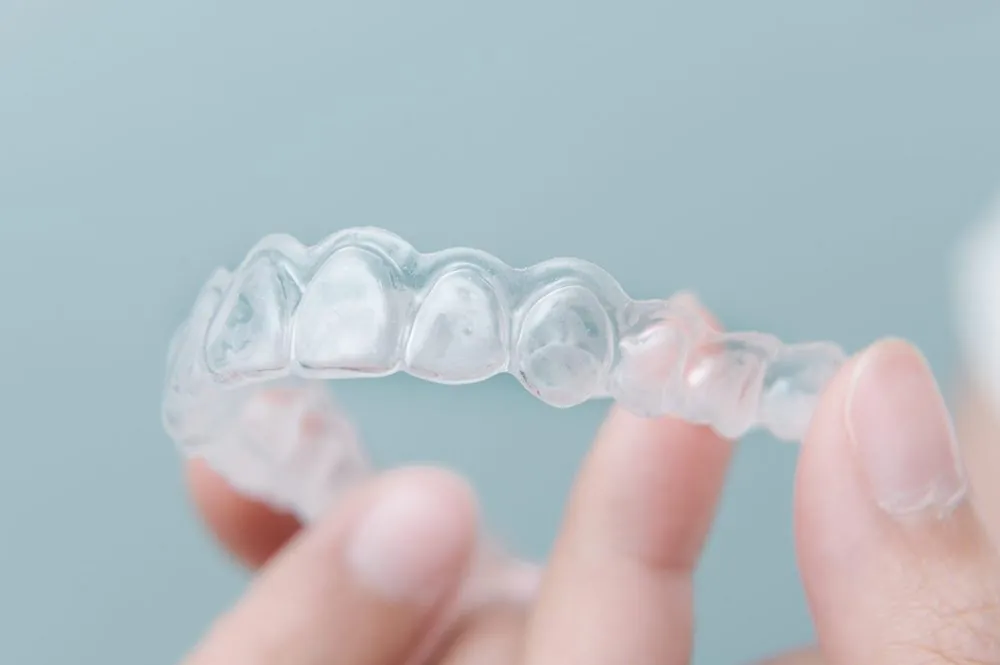
Invisalign is a clear aligner system that uses a series of removable, custom-made aligners to gradually move…
Read more →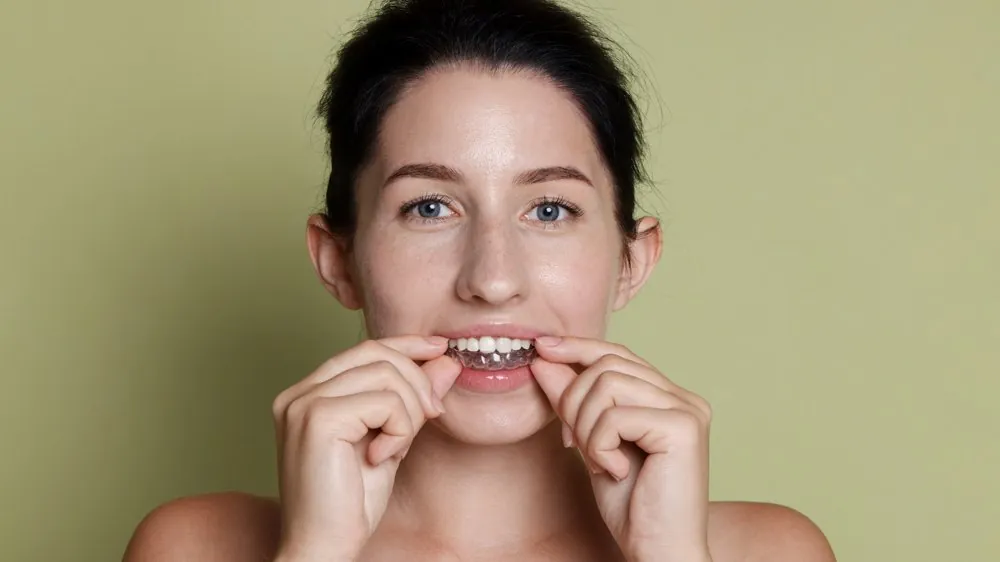
Clear aligners are thin plastic trays worn over the teeth to gradually straighten them. Healthdirect describes…
Read more →
Invisalign is a clear aligner system that uses a series of custom-made, removable trays designed to gradually move…
Read more →